The Real Threats of Do It Yourself Asbestos Elimination
Getting rid of asbestos yourself subjects you to tiny fibers that you can't see or manage with conventional household tools or dust masks. Also very little disruption can launch harmful particles, elevating significant long-term health risks and legal effects if you don't comply with guidelines. https://westcombeparkasbestosremoval.co.uk/services/refurbishment-demolition-survey.html DIY techniques rarely give proper containment or risk-free disposal, enhancing dangers for you and your neighborhood. Specialists use rigorous methods and specialized equipment for safety. Discover specifically why controlled removal is the just secure, certified solution.
Takeaways
- Do it yourself asbestos elimination can launch unnoticeable, harmful fibers right into the air, increasing the threat of major respiratory system conditions like lung cancer and mesothelioma.
- Typical house dirt masks, plastic sheeting, and regular home devices do not offer appropriate security or control versus asbestos direct exposure.
- Disturbing asbestos-containing materials without proper treatments can contaminate your home and pose lasting wellness dangers to owners and neighbors.
- Inappropriate elimination and disposal can cause lawful charges, financial obligation, and reduced home worth due to disagreement with guidelines.
- Professional asbestos reduction is needed for secure removal, as experts use rigorous containment, monitoring, and disposal procedures to stop exposure.
Is It Safe to Eliminate Asbestos Yourself?

Although you could believe asbestos removal is an uncomplicated job, it's not risk-free to manage it yourself. Troubling asbestos products without correct containment and treatments significantly enhances the danger of home direct exposure to harmful fibers. Also minor elimination mistakes— like improper securing, inadequate ventilation, or using family vacuums— can release microscopic particles, infecting your space and placing your wellness in jeopardy. Laws need accredited specialists to adhere to strict methods, including customized tools and personal protective gear, to lessen air-borne fibers and safeguard extensive clean-up. raised floor removal If you try removal on your own, you're not simply risking your own safety and security, yet likewise violating neighborhood and federal guidelines. Constantly focus on professional treatment to avoid unintentional direct exposure and expensive removal. Don't ignore the dangers— leave asbestos elimination to licensed specialists.
Where Does Asbestos Conceal in Older Houses?
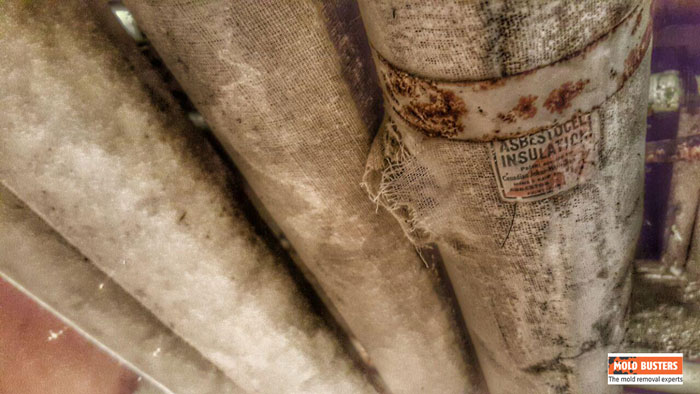
Often, asbestos prowls in unsuspected places throughout older homes, making recognition challenging without specialized understanding. You might discover asbestos-containing products in attic insulation, particularly the type referred to as vermiculite, which was frequently mounted before the 1990s. Pipeline delaying is one more prevalent resource— older heating pipes and central heating boilers frequently include asbestos-wrapped insulation to stop warm loss and fire threats. Asbestos may additionally exist in flooring tiles, textured wall or ceiling coverings, roofing tiles, and outside siding. Also electrical support panels and adhesives could have it. Regulative standards call for severe caution when examining these areas. Without appropriate training and devices, it's difficult to differentiate asbestos products from safer choices, so you ought to constantly depend on qualified specialists for screening and identification prior to conducting any kind of restoration or demolition work.
What Takes place When Asbestos Is Disrupted?
When you disrupt asbestos-containing products, microscopic fibers are released into the air and can continue to be suspended for hours. You can't see or smell these fibers, but inhaling them puts you at significant danger for long-lasting breathing illness. Regulative standards call for stringent controls due to the fact that also short, unprotected exposure is harmful.
Airborne Fiber Release
Disturbing asbestos materials usually causes tiny fibers to come to be airborne, producing a significant inhalation hazard. When you get rid of or damage asbestos without professional controls, you can not see or smell these fibers, but they're easily launched into the air, where they can stick around for hours and even days. To adhere to safety and security guidelines, airborne containment is critical— this usually includes customized barriers, negative air devices, and secured job zones to stop fiber movement throughout your home. Additionally, fiber surveillance, using calibrated air tasting pumps and research laboratory evaluation, is necessary to analyze fiber concentration throughout and after elimination. Without expert airborne control and fiber surveillance, you take the chance of unrestrained fiber release, which poses a prompt risk to any person in the location.
Unseen Health Hazards
Although asbestos fibers are microscopic and difficult to spot without specific devices, they're exceptionally dangerous when launched right into the air. When you disrupt asbestos-containing materials, these fibers end up being air-borne and can remain for hours and even days. You may unwittingly breathe in them, leading to undetectable carcinogen that collect in time. Airborne exposure is especially dangerous due to the fact that there's no immediate symptom; the fibers bypass your body's natural defenses and lodge deep within your lungs.
Persistent inhalation of asbestos fibers is linked to serious illnesses, consisting of asbestosis, lung cancer, and mesothelioma. Regulative standards highlight that any kind of asbestos disturbance must be handled with rigorous control and safety steps. DIY removal places you at considerable danger, as you lack the correct devices and methods to prevent harmful direct exposure.
What Health Issue Can Asbestos Reason?
Exposure to asbestos postures major carcinogen, largely since its tiny fibers can become air-borne and conveniently inhaled. Once breathed in, these fibers can lodge deep within your lung tissue, markedly enhancing your lung cancer cells and mesothelioma cancer risk. Mesothelioma cancer is a hostile cancer nearly specifically connected to asbestos direct exposure, without well-known secure degree of get in touch with. Additionally, you may develop asbestosis, a persistent lung disease noted by scarring and breathing troubles. The latency period for these conditions can be years, so you could not observe signs till lengthy after exposure. Regulative agencies, such as OSHA and the EPA, emphasize strict controls for asbestos managing to reduce these risks. Neglecting these standards places your wellness at risk, also throughout short-term or low-level exposure.
Are You Damaging the Legislation by Getting Rid Of Asbestos Yourself?
Also if you possess your home, handling asbestos elimination by yourself can position you at odds with government, state, and regional policies. In several territories, stringent permit demands exist for asbestos abatement, and stopping working to obtain the proper consents can carry considerable lawful responsibility. You may assume do it yourself elimination conserves time, yet you're running the risk of penalties and even criminal penalties if you bypass these lawful steps. Laws typically require certified professionals to handle asbestos due to the carcinogen involved. If you improperly eliminate or take care of asbestos, you might additionally be responsible for contaminating your home or surrounding areas. Constantly inspect your neighborhood laws before starting any kind of job; non-compliance not only endangers your safety and security yet might cause costly legal consequences.
The Hidden Expenses of DIY Asbestos Removal
Legal risks are just component of the formula when tackling asbestos elimination by yourself. The concealed costs promptly build up— specialized personal safety devices, HEPA vacuums, appropriate disposal bags, and accepted waste transport aren't optional. If you cut corners, you risk contamination, which can lead to costly removal and also impact your building value. Failing to follow regulative needs might likewise result in fines or lawful activity. Beyond the instant prices, you encounter long term responsibility: any kind of future health claims from passengers or workers subjected to recurring asbestos fibers could be associated to your insufficient elimination procedure. Insurance coverage may not cover damages from DIY efforts, leaving you totally liable. In other words, the economic dangers extend far past initial out-of-pocket expenses.
Just How Do Experts Remove Asbestos Securely?
Trained experts come close to asbestos elimination with stringent procedures designed to decrease fiber release and safeguard both workers and developing residents. When you work with qualified professionals, they adhere to regulative standards, beginning with a extensive site evaluation to recognize all asbestos-containing materials. Specialized containment procedures are established up, commonly utilizing plastic sheet and negative atmospheric pressure systems, to protect against asbestos fibers from getting away the workspace. Employees use individual safety devices (PPE) and HEPA-filtered vacuum cleaners throughout the process. Damp elimination methods are utilized to maintain fibers from coming to be airborne. All waste is sealed and classified according to hazardous product laws, after that transported to authorized disposal centers. By counting on licensed specialists and these containment procedures, you assure asbestos is handled safely and in full compliance with the legislation.
Myths People Believe Regarding DIY Asbestos Removal
While experts follow rigorous methods to guarantee that asbestos removal is both secure and compliant, lots of house owners wrongly think they can take care of the procedure themselves with little danger. This false confidence typically comes from typical myths that downplay the dangers included. You may presume that household dust masks or plastic bed linen supply enough defense, however these actions lead to insufficient containment and major health and wellness risks. Misconceptions regarding regulative demands and direct exposure thresholds just contribute to this hazardous attitude.
Here are three prevailing misconceptions you ought to test:
- Asbestos dangers are removed by simply moistening products before elimination.
- Average home remodelling tools and PPE use appropriate safety.
- Very little noticeable dust methods minimal exposure to asbestos fibers.
Depending on these misunderstandings can cause lawful offenses, environmental contamination, and long-term wellness consequences.
Much Safer Alternatives to DIY Asbestos Elimination
Although dealing with asbestos elimination yourself might look like a cost-saving option, the most safe program is to involve accredited asbestos reduction specialists. These experts comply with rigorous security methods, using specialized safety gear and containment methods that reduce air-borne fiber release. They're learnt appropriate disposal, guaranteeing that all asbestos waste is carried and processed at approved facilities, completely compliance with local and federal policies.
If you believe asbestos in your residential or commercial property, don't disrupt the product. Instead, schedule a licensed examination. Professionals can examine the danger and advise the appropriate removal or encapsulation method. Attempting DIY elimination with fundamental protective gear or incorrect disposal increases your direct exposure and legal obligation. Relying upon controlled services guarantees your safety and safeguards your neighborhood's health.
Often Asked Concerns
Just How Can I Determine Asbestos-Containing Products Visually?
Finding asbestos-containing products is like looking for concealed threat in ordinary view. You can not constantly tell just by looking, but old insulation (especially around pipes or central heating boilers) and classic plastic flooring prevail suspects. Expect products set up before the 1980s-– distinctive ceilings, floor ceramic tiles, and certain adhesives. https://westcombeparkasbestosremoval.co.uk Do not interrupt or sample anything on your own; guidelines require specialist testing. Aesthetically identifying isn't sufficient— constantly focus on security and compliance with neighborhood laws.
What Should I Do if I Mistakenly Interrupt Asbestos?
If you accidentally interrupt asbestos, quit all job quickly and leave the area to stop additional exposure. Do not try cleanup on your own; asbestos fibers are unsafe when air-borne. Safeguard the area to restrict gain access to, and call experts accredited in asbestos reduction. They'll evaluate and take care of the circumstance according to safety and security laws. Constantly comply with regional standards and notify suitable authorities if needed. Your security depends upon preventing clean-up and counting on professionals for removal.
Exist Safe Disposal Sites for Asbestos Waste?
Naturally, you can simply throw asbestos in your regular garbage— if you intend to break the law and jeopardize every person. Actually, you must only use certified facilities or family contaminated materials programs designed for asbestos disposal. Laws need double-bagging, proper labeling, and reveal documents. Do not run the risk of illegal dumping or contamination. Always contact your local ecological firm for information on authorized websites, due to the fact that safety and compliance are non-negotiable when dealing with asbestos waste.
The Length Of Time Does Asbestos Stay Unsafe in the Atmosphere?
Asbestos stays unsafe in the setting forever due to its lengthy term determination and resistance to ecological deterioration. You ought to understand that asbestos fibers don't break down normally, so they can present breathing dangers for years, also centuries. Regulative companies need stringent controls for handling and disposal since disturbing asbestos-containing products can release unsafe fibers. Always follow neighborhood, state, and federal safety and security guidelines to decrease ecological and health threats from asbestos direct exposure.
Can Animals Be Impacted by Asbestos Exposure in the house?
Much like you treasure comfy moments with your pet, asbestos direct exposure can quietly intimidate pet wellness at home. Pets and cats can breathe in or ingest asbestos fibers, resulting in animal symptoms such as coughing, struggled breathing, or perhaps extra serious breathing concerns. From a safety and governing standpoint, it's vital to identify that family pets are just as at risk as people, so constantly follow strict asbestos managing guidelines to protect every household member— hairy ones included.